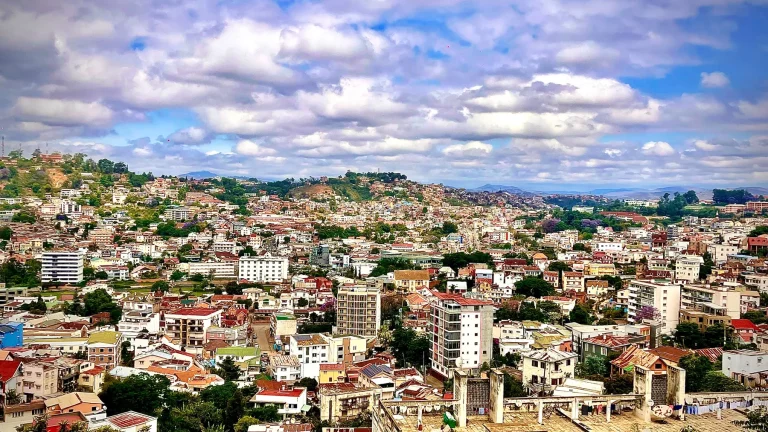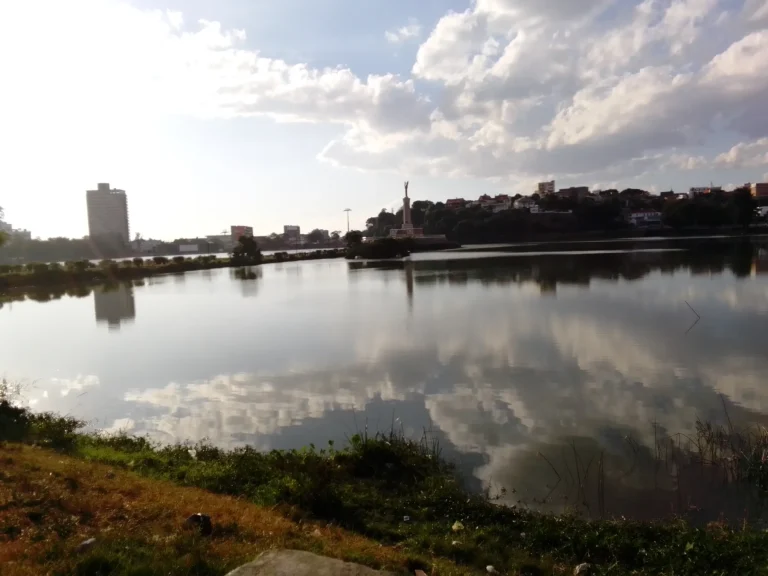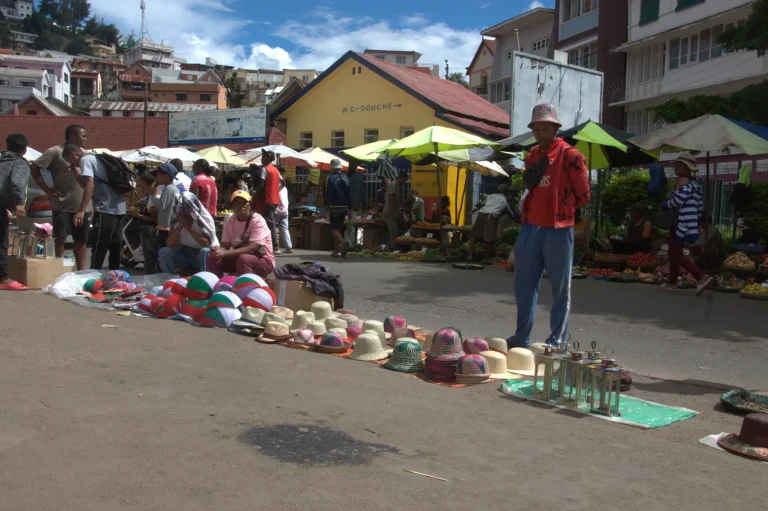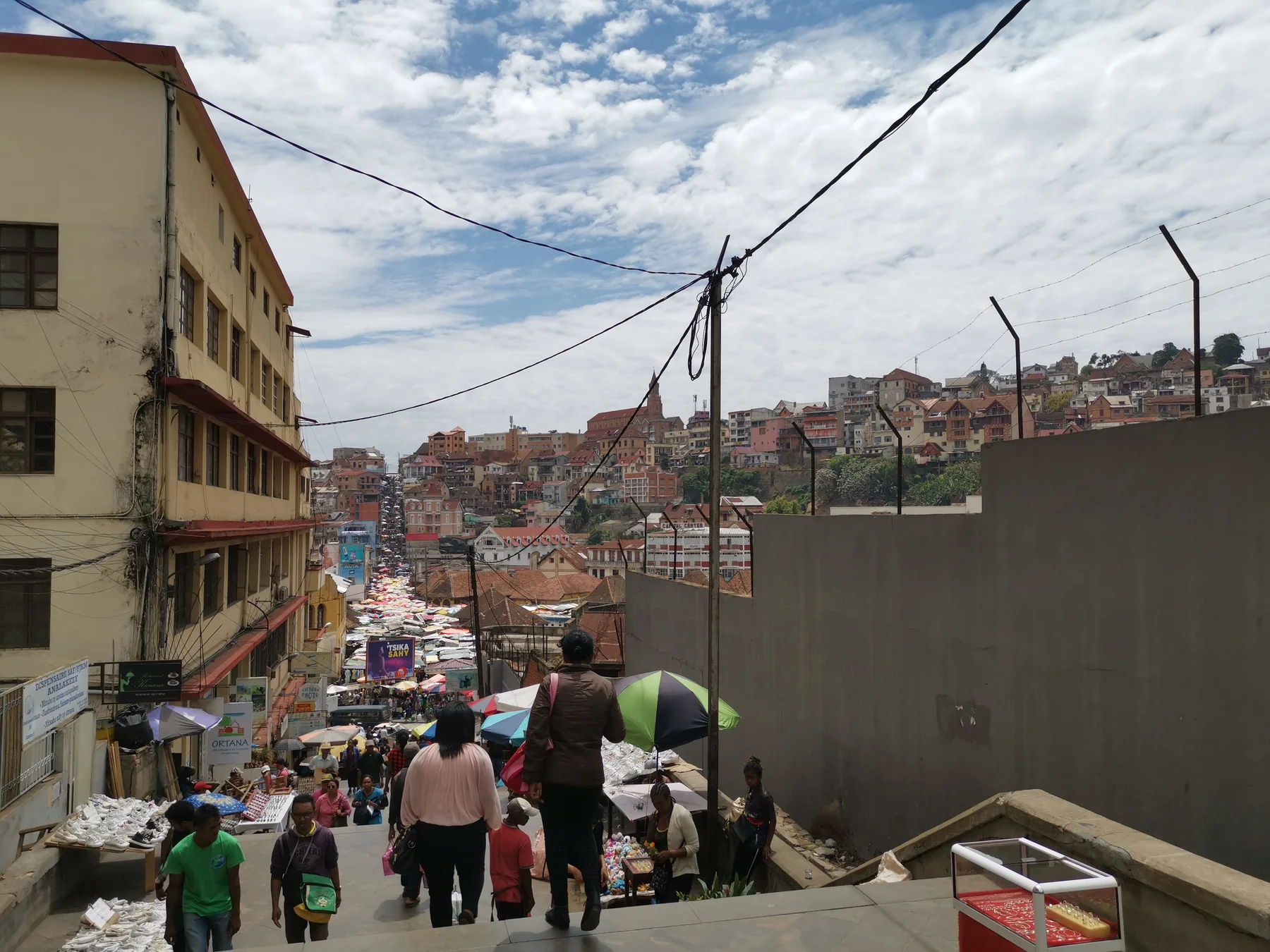
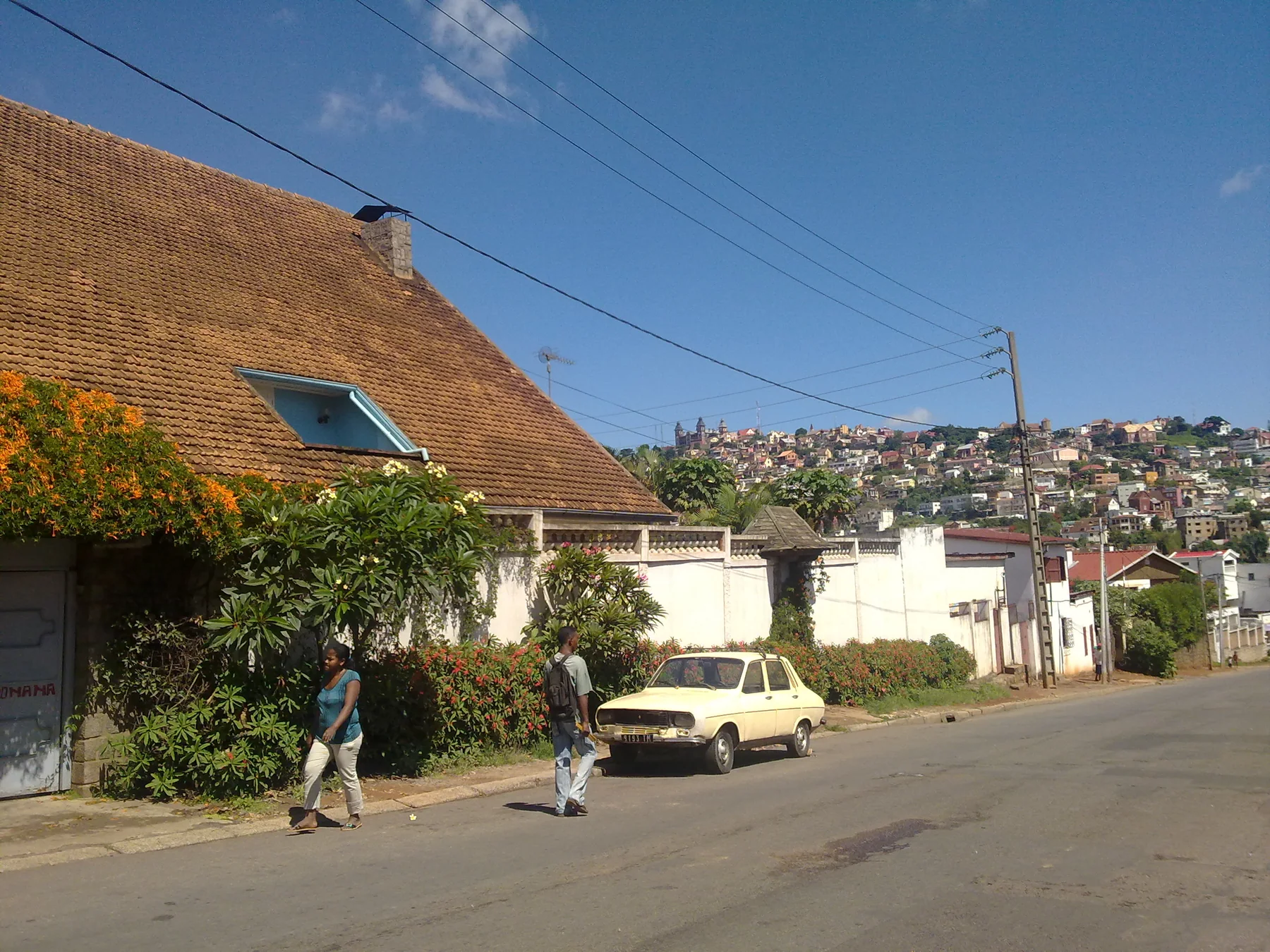
Antananarivo makes more sense when a plan includes both the view and the way of reaching it. An elevated photograph gathers the city into a single image. At street level, the same place becomes a sequence of junctions, steps, doorways and pauses. Treat those perspectives as parts of one visit rather than a race between a list of landmarks.
Give the upper and lower city different jobs
The Haute Ville is the historic upper city. Analakely belongs to the lower-city context, with commerce and market activity shaping a different experience. A route between them needs more thought than the short distance on a flat map suggests. Ask a local guide or accommodation host to help choose a suitable connection for your interests and mobility.
The heritage description submitted by Madagascar to UNESCO’s Tentative List discusses the relationship between historic buildings, public spaces, streets and stairways. A tentative listing is distinct from World Heritage inscription. That distinction matters when reading descriptions of the capital and of nearby Ambohimanga.
Choose a route that can change
Begin with a small number of questions: where will you start, which place is the main focus, and how will you return? A walking section can be shortened without losing the purpose of the day. Leave room to stop and look without blocking a doorway, a stall or the flow of people on a stairway.
| Perspective | What to notice | Planning question |
|---|---|---|
| Street level | Changes in surface, entrances, shopfronts and the use of landings. | Where can the walking section start and finish? |
| Elevated view | The relationship between roofs, hills and the lower city. | Is this viewpoint accessible and appropriate to visit? |
Look closely without claiming access
A handsome stairway or doorway may be part of someone’s daily route or property. A view from a public place does not grant entry into a courtyard or permission to photograph a person. Ask before making an identifiable portrait, accept a refusal, and keep the story attached to its real location.
Keep a useful note
- Write down the place name as your guide gives it.
- Distinguish the district from the individual building or street.
- Record a source for a historical detail you want to repeat.
- Keep your return meeting point and contact details together.
- Leave an uncommitted part of the day for a pause or a changed route.
Continue with market visits and food questions, or use the city planning guide to connect the day with your arrival and accommodation.

Lemur Day Tour at Andasibe Rainforest and Vakona Lodge Reserve
You are picked up at your hotel in Antananarivo (Tana) in the morning and begin the beautiful drive east through National Route 2 on this shared tour...

3 Days Andasibe Mantadia Private Tour
Welcome to Madagascar! We are delighted to organize this special 3-day journey for you, offering an immersive experi...

Antananarivo Highlights Private Excursion
Limited on time but eager to immerse yourself in the wonders of Madagascar? Looking to take home some unique souveni...

Full Day Madagascar Tour with Lemurs' Park, Geysers and Waterfall
Explore Madagascar's natural wonders on this full-day tour from Antananarivo. Start with a visit to Lemurs’ Park...